The short answer: AI ate the wafer supply
DRAM is made on a relatively fixed pool of fab capacity, and since 2025 an outsized share of it has been redirected to high-bandwidth memory for AI accelerators. HBM is brutal on capacity: it stacks many dies per package, uses larger dies, and yields worse than commodity DRAM, consuming several times the wafer area per usable bit of ordinary DDR5. Every HBM contract a memory maker signs displaces a disproportionate amount of consumer memory, and the AI build-out has kept those contracts coming.
Consumer DDR5 did not become more expensive to make. It became less worth making, relative to what the same wafer earns as HBM. Prices rose until consumer memory competed for capacity again: a slow, ugly process when demand from PC builders cannot simply switch off. For the demand side of this, including quarterly HBM spend and what share of an AI accelerator is now memory, see our AI hardware and the memory market page.
Why DDR4 got hit even harder
DDR4 should be enjoying cheap retirement years. Instead, manufacturers announced end-of-life plans and cut production faster than demand from the installed base declined. Hundreds of millions of DDR4 systems still want upgrades. Shrinking supply into steady demand is a scarcity premium, and it is why DDR4 is no longer reliably cheaper per gigabyte than DDR5, an inversion that would have sounded absurd in 2024. For DDR4 owners the takeaway is uncomfortable but simple: availability, not price, is the thing to worry about.
How long this lasts
Analyst consensus puts elevated DRAM pricing into 2027–2028. New fab capacity is the only durable fix, and fabs take years to build and equip; nothing breaking ground now lands in time to rescue 2026. Shorter-term wobbles will happen (spot prices move weekly, retailers clear stock, individual kits dip), but a broad return to 2024–25 pricing is not the base case anyone credible is publishing.
Contract, spot, and why retail prices lag the headlines
Memory trades in two markets. Big buyers sign contract prices quarterly; everyone else rides the spot market, which moves daily. Retail RAM pricing follows spot with a lag measured in weeks; retailers reprice as they restock, not as headlines print. That lag is why tracking individual kits beats reading industry news: by the time a "prices rising" story publishes, the kits are already repriced. The opportunities are the kit-level dips in between, which is precisely what per-kit price history exposes.
What a buyer can do about it, and who can ignore it
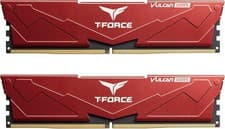
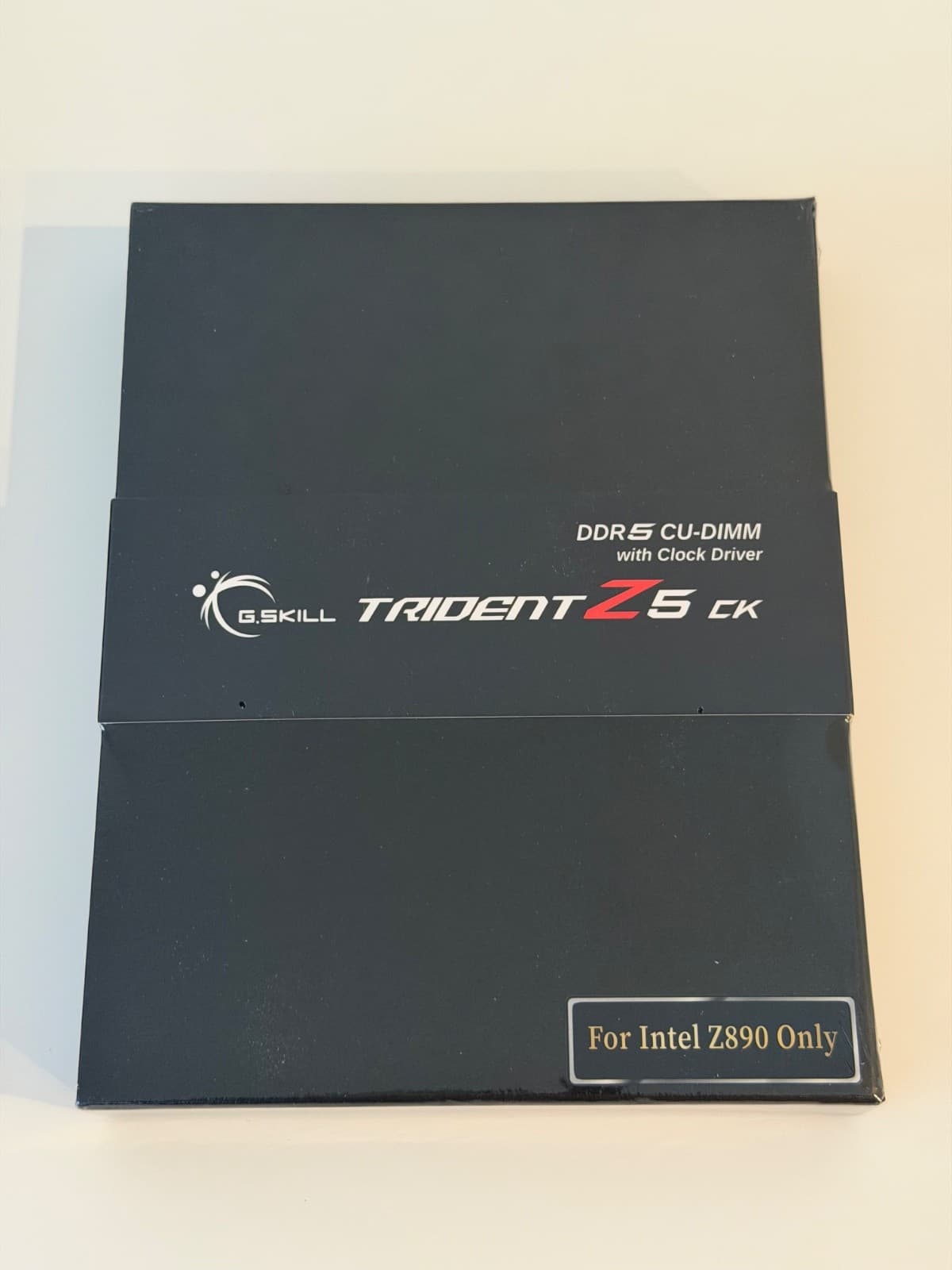
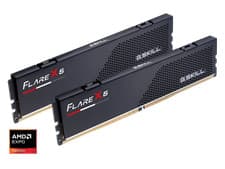
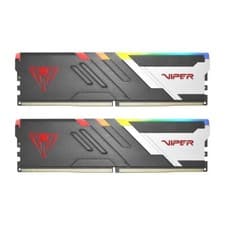
You cannot out-wait a structural shortage, but you can refuse to buy at a local peak. The picks below are the cheapest DDR5 kits we track, ranked by how close each sits to its own all-time low, computed from eBay, Newegg, and B&H prices scraped several times daily, with stale offers aged out after 7 days, a hard 14-day cap on anything shown as current, and no commission input into the ordering whatsoever (our affiliate disclosure has the details).
And if you have no immediate need, the winning move is to sit this market out entirely. A machine with 32GB that performs fine today is not a reason to spend shortage money, and a price alert costs nothing while you wait for a real dip.